Unlock Your Brows: How Long Does Eyebrow Regrowth Really Take?
Eyebrows are far more than just a facial feature; they are powerful tools of expression, framing our eyes and defining our individuality. Yet, many of us have faced the frustrating predicament of thinning brows, whether it's the aftermath of an overzealous plucking session, a waxing mishap, or the more concerning effects of hair loss due to various factors. In such moments, a single, burning question often dominates our thoughts: "How long do eyebrows take to grow back?"
The journey to lush, full eyebrows can feel like an eternity, but understanding the science behind hair growth, the common culprits for loss, and practical steps you can take can make the waiting game a little less daunting. This comprehensive guide delves into the intricate world of eyebrow regrowth, offering insights, expert advice, and realistic expectations to help you on your quest for beautiful arches.
The Intricate Journey of Eyebrow Regrowth: Understanding the Hair Cycle
Just like the hair on our scalp, eyebrows follow a distinct growth cycle, albeit a shorter one. Comprehending these phases is fundamental to setting realistic expectations for how long eyebrows take to grow back fully. The cycle consists of three primary stages: anagen, catagen, and telogen.
Phase 1: Anagen (The Growth Spurt)
- Duration: This active growth phase typically lasts anywhere from 1 to 2 months, though individual variations are common.
- What Happens: During the anagen phase, the hair follicles in your eyebrows are buzzing with activity, rapidly producing new cells. This continuous cell division pushes the hair upwards and outwards, resulting in visible growth. On average, eyebrow hairs grow at a rate of approximately 0.16 millimetres per day. The longer a hair stays in this phase, the longer it can potentially grow.
Phase 2: Catagen (The Transitional Halt)
- Duration: The catagen phase is relatively brief, usually spanning only a few weeks.
- What Happens: This transitional stage marks the end of active growth. The hair follicle begins to shrink and detach from the dermal papilla, which is the blood supply that nourishes the growing hair. Essentially, the hair strand becomes a "club hair" as it prepares for its next phase.
Phase 3: Telogen (The Resting Period & Release)
- Duration: This is the resting phase and can last for several months.
- What Happens: The hair follicle remains dormant, and the club hair sits in place. While it appears nothing is happening externally, beneath the surface, a new anagen hair is often beginning to form. Eventually, the old telogen hair is shed, either naturally or by being pushed out by the emerging new hair, thus completing the cycle and starting anew.
Because the anagen phase for eyebrows is significantly shorter than that of scalp hair (which can last years), eyebrow hairs don't grow as long. Understanding this intricate cycle is key to managing expectations for regrowth. For a deeper dive into the biology of brow growth, consider reading Beyond Over-Plucking: The Phases & Causes of Eyebrow Growth.
Beyond the Tweezers: Unmasking the Culprits Behind Eyebrow Loss
While the impatient hand holding the tweezers is often blamed, many factors contribute to thinning or missing brows. Knowing these causes is crucial for addressing the problem effectively and understanding how long eyebrows take to grow back, if at all, under different circumstances.
The Over-Plucking Predicament
The most notorious culprit for sparse brows is undoubtedly over-plucking or excessive waxing. Regular and aggressive removal of hairs can traumatize the follicle. Over time, repeated trauma can lead to follicular damage, potentially scarring the follicle and preventing hair from ever growing back, or at least severely prolonging the regrowth process. Similarly, habits like excessive itching or rubbing your arches can inadvertently pull hairs out, hindering progress.
Genetic & Hormonal Influences
Genetics play a significant role in determining your natural brow shape, density, and even your hair growth cycle. If your family members have naturally sparse or thin eyebrows, you might be predisposed to the same. Moreover, fluctuations in hormones, particularly those related to reproductive health (like pregnancy or menopause) and aging, can impact hair growth, often leading to slower growth or thinning over time.
Lifestyle, Stress, and Nutritional Gaps
Your overall health profoundly impacts hair growth. High levels of stress can trigger a condition called telogen effluvium, where a significant number of hairs prematurely enter the telogen (resting/shedding) phase. A poor diet lacking essential vitamins and minerals can also starve hair follicles of necessary nutrients. Deficiencies in biotin, iron, zinc, and Vitamin D are commonly linked to hair thinning and loss.
Underlying Health Conditions
Sometimes, thinning brows are a symptom of a deeper health issue. Board-certified dermatologists highlight several conditions that can cause eyebrow hair loss:
- Alopecia Areata: An autoimmune condition where the immune system mistakenly attacks hair follicles, leading to patchy hair loss on the scalp and sometimes eyebrows.
- Thyroid Disease: Both an overactive (hyperthyroidism) and underactive (hypothyroidism) thyroid can disrupt hormone balance, leading to diffuse hair loss, including the outer third of the eyebrows.
- Eczema and Psoriasis: These inflammatory skin conditions can affect the skin around the eyebrows, impacting hair follicles and hindering growth. Eczema involves an oversensitive immune system, while psoriasis causes skin cells to multiply rapidly, forming painful patches that can block hair follicles.
- Autoimmune Disorders: Beyond alopecia, other autoimmune diseases can contribute to hair loss.
- Infections and Skin Disorders: Fungal infections or other skin issues can damage follicles.
If you're experiencing significant or unexplained brow loss, consulting a dermatologist is paramount to identify any underlying health concerns. For more insights into why your brows might not be growing, read Why Aren't My Eyebrows Growing? Derms Explain Regrowth Factors.
Expediting Regrowth: Professional and Home Remedies for Fuller Brows
While patience is undeniably the most crucial ingredient in eyebrow regrowth, there are several strategies, both professional and at-home, that can support and potentially accelerate the process. Understanding these can help you better manage the timeline for how long eyebrows take to grow back.
Professional Interventions
- Dermatological Treatments: For significant loss or underlying conditions, a dermatologist can offer solutions. This might include topical minoxidil, corticosteroid injections (for alopecia areata), or even platelet-rich plasma (PRP) therapy to stimulate follicles.
- Cosmetic Solutions: While waiting for natural regrowth, cosmetic procedures like microblading, micro-feathering, or eyebrow tinting can provide a temporary aesthetic solution, enhancing the appearance of sparse brows.
Nurturing Your Brows at Home
- Patience is Paramount: Remember the growth cycle. Full regrowth can take anywhere from 4 to 8 months, and in cases of significant follicle trauma, potentially up to a year or more. Don't expect overnight miracles.
- Gentle Handling: Avoid further trauma. Resist the urge to pluck new, fine hairs. Allow them to grow completely. When removing makeup, be gentle and use non-irritating products. Avoid excessive rubbing.
- Nutritional Support: Fuel your body, fuel your brows. Ensure your diet is rich in proteins, healthy fats, and vitamins. Consider supplements like biotin, collagen, Vitamin E, and Omega-3 fatty acids, but always consult a healthcare professional before starting any new supplement regimen.
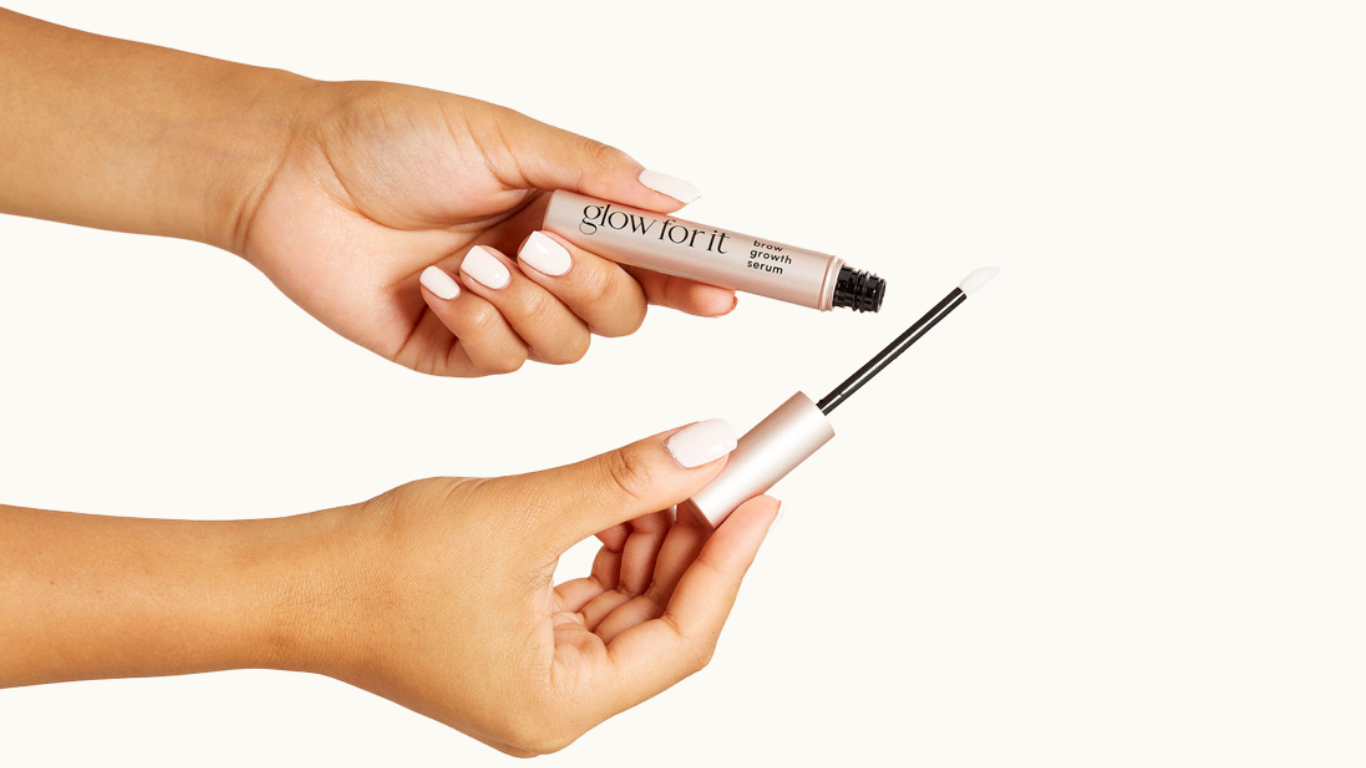
- Topical Serums: Many over-the-counter eyebrow growth serums contain peptides, vitamins, and conditioning agents. While they won't create hair where follicles are dead, they can nourish existing follicles, stimulate circulation, and create an optimal environment for healthier, stronger hair growth. Apply consistently as directed.
- Regular Massage: Gently massaging your brow area for a few minutes daily can help stimulate blood flow to the follicles, potentially encouraging growth.
- Avoid Harsh Chemicals: Be mindful of products you apply near your brows. Some harsh makeup removers or skincare ingredients can irritate follicles or dry out the delicate skin.
Setting Realistic Expectations: When Will Your Brows Return?
So, exactly how long do eyebrows take to grow back? The most honest answer is: it varies significantly. If you've just over-plucked a few hairs, you might see noticeable regrowth within a few weeks to a couple of months. However, for a complete reset and full, dense regrowth after years of over-tweezing or significant hair loss, the timeline extends considerably. You should generally expect a minimum of 4-6 months to see substantial improvement, with some individuals needing 12 months or more for their brows to reach their full potential.
The crucial distinction lies in whether the hair follicle is merely dormant or permanently damaged. If follicles have been severely traumatized or scarred, particularly from years of aggressive removal, regrowth may be sparse or, in unfortunate cases, impossible. This is why patience and a gentle approach are so vital.
If, after several months of diligent care and avoiding plucking, you still see no significant regrowth, or if you notice continued thinning or patchy loss, it's always best to consult a board-certified dermatologist. They can assess your situation, rule out underlying medical conditions, and recommend the most effective treatment plan for you.
Conclusion
The journey to full, luscious eyebrows can be a test of patience, but it's often a rewarding one. Understanding the natural hair growth cycle, identifying potential causes of loss beyond simple over-plucking, and adopting a nurturing approach are the keys to success. While there's no magic bullet for instant regrowth, with consistent care, a healthy lifestyle, and realistic expectations, you can significantly improve your chances of seeing your beautiful arches make a triumphant return. Embrace the process, be kind to your brows, and remember that good things, and good brows, often take time.